
Vibrant five of Wayanad

A Land Shaped by History and Nature

Formed on November 1, 1980, Wayanad became the twelfth district of Kerala and remains the only district in the state that shares its borders with both Karnataka and Tamil Nadu. Rich in legend and layered with history, the origin of the name Wayanad is still a subject of debate among historians. Some believe it comes from “Vayalnad” (land of paddy fields), while others trace it to “Vazhinad” or “Vananad”, suggesting a land of forests and pathways.

Today, Wayanad is celebrated as the land of tribal cultures and cultivation. The region is home to numerous indigenous communities who continue to live in harmony with the forests, preserving their unique traditions, languages, and lifestyles.

Lush with paddy fields, spice gardens, tea and coffee plantations, Wayanad’s landscape is as vibrant as its heritage offering a rich tapestry of nature, culture, and history that continues to shape the soul of this extraordinary land.

One Biggest River Island in Kerala

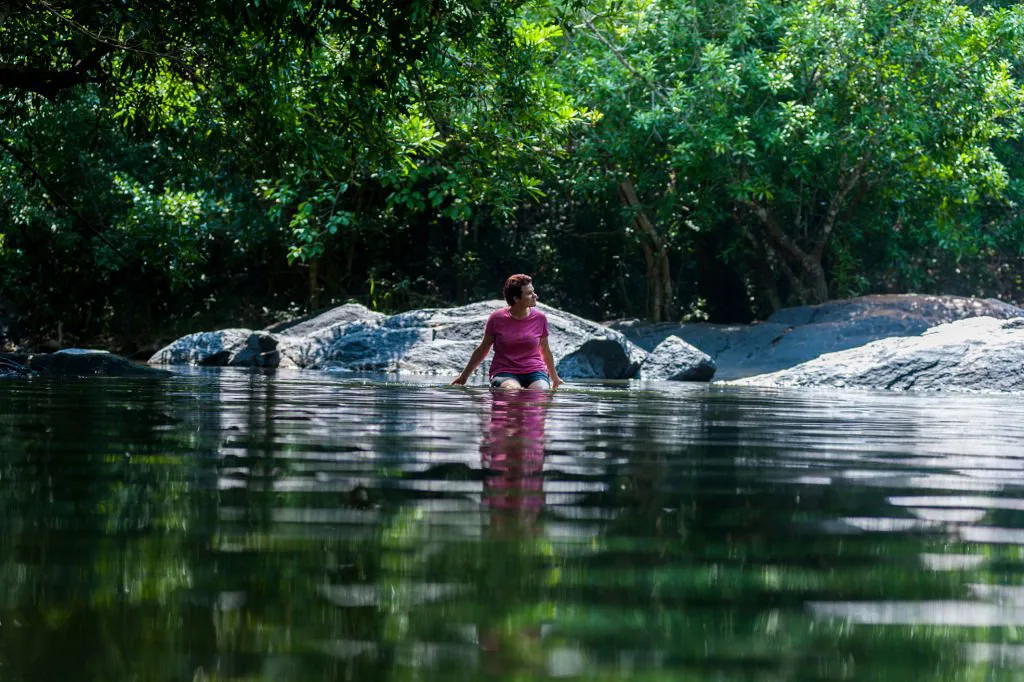
Kuruva Island

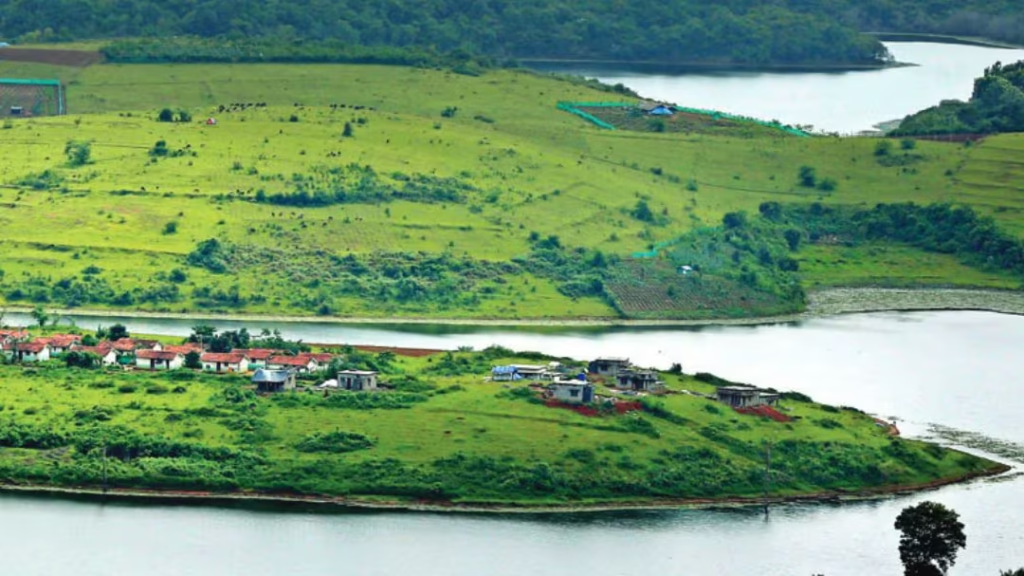
Kuruva Island is the largest river island in Kerala, nestled in the Kabini River in the northeastern part of Wayanad, close to the Karnataka border. Spanning over 950 acres, this protected group of islands is a lush haven of biodiversity, rich with medicinal plants, rare trees, and a wide variety of bird species.

To preserve its fragile ecosystem, entry to Kuruva Island is limited to 600 visitors per day. It’s a peaceful and scenic retreat for those seeking quiet nature walks, gentle exploration, and a deeper connection to Wayanad’s natural beauty.

Visitor Information

  • Best Time to Visit: October to May, when water levels are low and the weather is pleasant.

  • Entry Limit: 600 visitors per day (strictly regulated to protect the ecosystem).

  • Popular Activities: Bamboo rafting, nature walks, birdwatching.

  • Safety Tips: Wear comfortable shoes, carry drinking water, and help preserve the island by not littering.


1. Chembra Peak

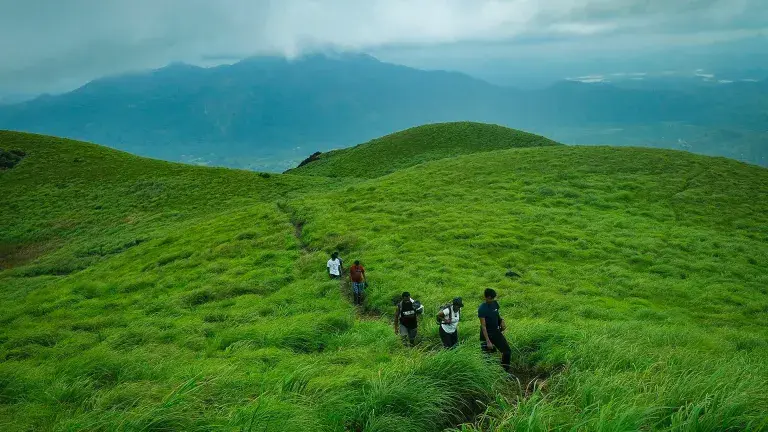
A trekking paradise and the highest peak in the Wayanad hill range, Chembra Peak is an unmissable attraction offering mesmerizing views that captivate every visitor. Here, you can almost feel the clouds brushing your cheeks while soaking in the serene beauty of nature all around. One of the most enchanting sights is the heart-shaped lake nestled amid the hills a truly magical vista.


Visitor Information

  • Best Time to Visit: September to March, when the weather is ideal for trekking.

  • Entry Time: 7:00 AM to 2:00 PM.

  • Safety Precautions: Carry salt or spray-type sanitizer to protect against leeches.

  • Important: Always adhere to safety guidelines and instructions provided by the authorities.


2. Banasura Hill

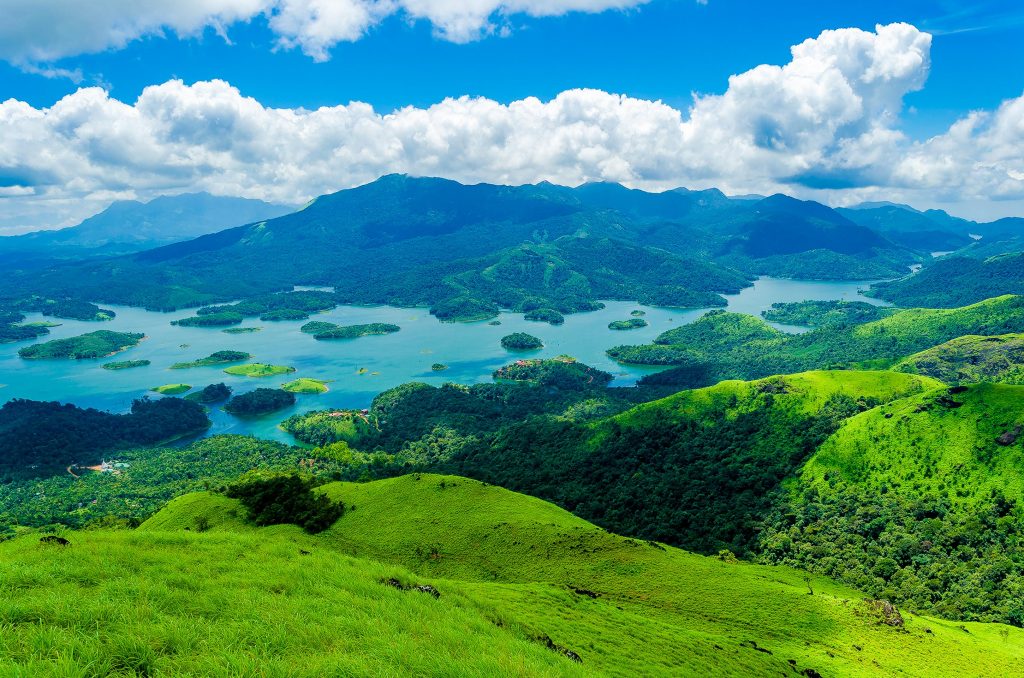
One of the tallest mountains in the Western Ghats within Wayanad, Banasura Hill stands as the second highest peak in the district after Chembra Peak, soaring over 2,000 meters. The trek to Banasura Hill rewards adventurers with sprawling green meadows, the stunning Meenmutty Waterfalls, and breathtaking panoramic views of the Banasura Sagar Dam. This serene destination offers a rejuvenating retreat, promising one of the most unforgettable vistas of your life.


Visitor Information

  • Best Time to Visit: September to January, when the weather is cool and ideal for trekking.

  • Entry Timing: Early mornings are recommended to make the most of the trek and scenic views.

  • Highlights: Panoramic views of Banasura Sagar Dam, Meenmutty Waterfalls, and lush green meadows.

  • Safety Tips: Wear sturdy trekking shoes, carry ample water, and check local weather conditions before setting out.


1. Edakkal Caves

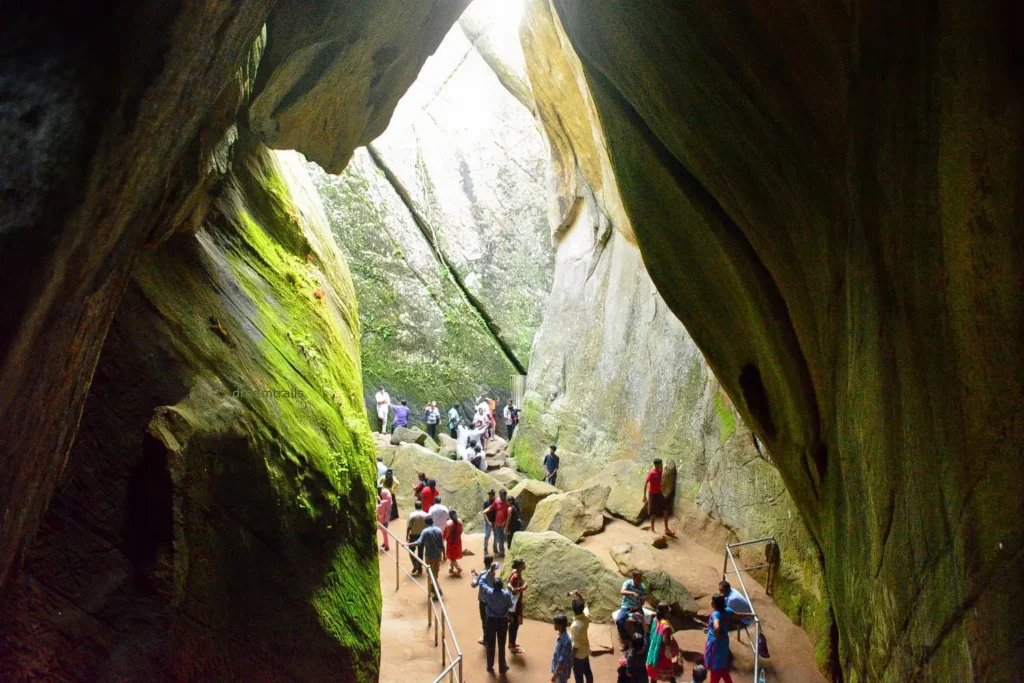
Nestled on the Ambukuthi Hills at an altitude of 1,200 meters, the Edakkal Caves meaning “a stone in between” are a fascinating natural treasure. Renowned for their ancient stone carvings depicting humans, animals, symbols, and scripts, these prehistoric etchings date back as far as 6000 BC. The caves offer a unique glimpse into the culture and lives of early inhabitants, making it a must-visit site for history and archaeology enthusiasts.

Visitor Information

  • Best Time to Visit: December to May, when trekking conditions are ideal.

  • Entry Timing: 9:00 AM to 4:00 PM (closed on Mondays).

  • Highlights: Prehistoric carvings, panoramic views from Ambukuthi Hills.

  • Safety Tips: The climb is steep and moderately challenging; wear comfortable shoes, carry water, and prepare accordingly.

2. Thirunelli Temple

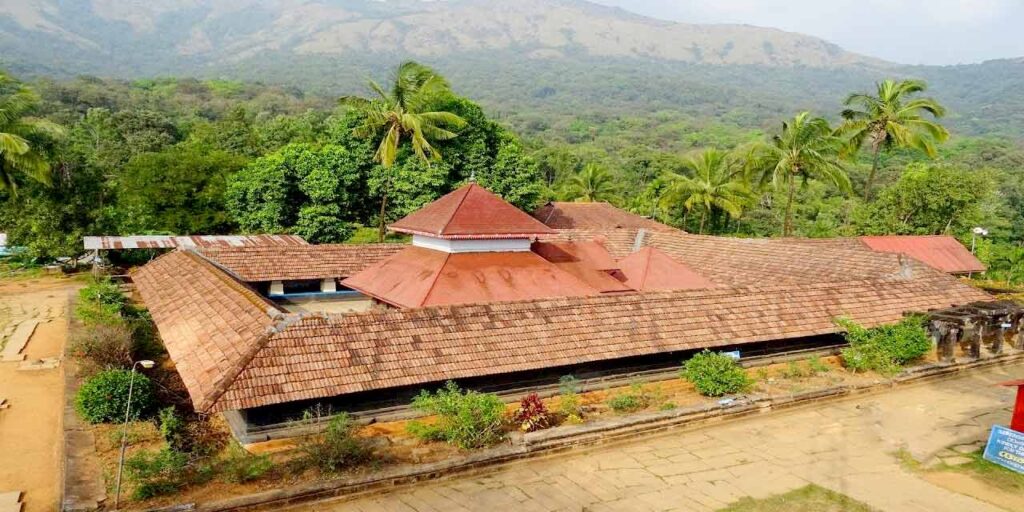
Nestled on the side of Brahmagiri Hill, Thirunelli Temple is an ancient and revered pilgrimage site in Wayanad. Set in a serene valley surrounded by lush mountains and forests, the temple exudes spiritual tranquility. Though the exact date of its establishment is unknown, historical records indicate that Thirunelli was an important town and pilgrimage center during the reign of the Tamil Chera king Bhaskara Ravi Varma I (AD 962-1019).

Visitor Information

  • Best Time to Visit: October to March, when the weather is pleasant for pilgrimage and sightseeing.

  • Entry Timing: Open daily from 5:30 AM to 12:00 PM and 5:30 PM to 8:00 PM.

  • Highlights: Ancient architecture, tranquil valley setting, and deep spiritual significance.

  • Safety Tips: Dress modestly as a mark of respect, and carry light shawls or sweaters since mornings and evenings can be cool.

3. Bathery Jain Temple

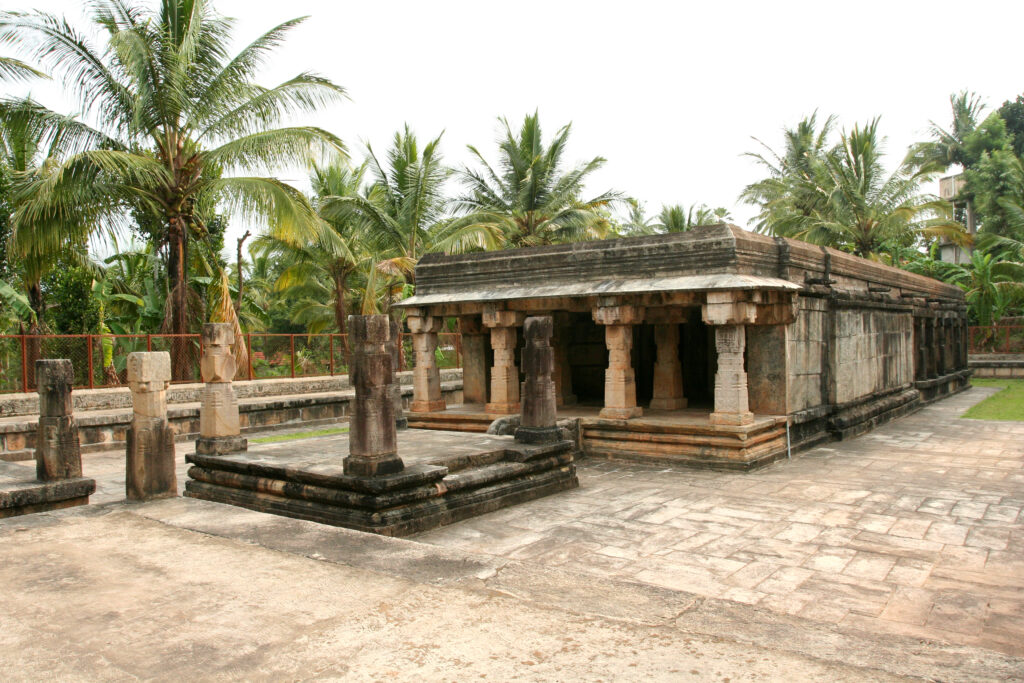
One of the most significant Jain temples in Kerala, the Bathery Jain Temple dates back to the 13th century. Its architectural design is heavily influenced by the Vijayanagar Dynasty, reflecting the grandeur of that era. The temple’s fascinating history includes phases as a place of worship, a center for trade, and even as a military battery under Tipu Sultan.

A unique feature of the temple is the square-shaped well located in front, which houses a mysterious tunnel believed to extend all the way to Mysore, adding an element of intrigue to this historic site.

Visitor Information

  • Best Time to Visit: October to March, when the weather is ideal for exploring historic sites.

  • Entry Timing: Typically open during daylight hours; check locally for specific timings.

  • Highlights: Vijayanagar-style architecture, rich historical significance, and the intriguing tunnel linked to Mysore.

  • Safety Tips: Respect the temple’s sanctity by wearing modest clothing, and exercise caution when exploring older structures.

1. Banasura Sagar Dam: The biggest earth dam in India

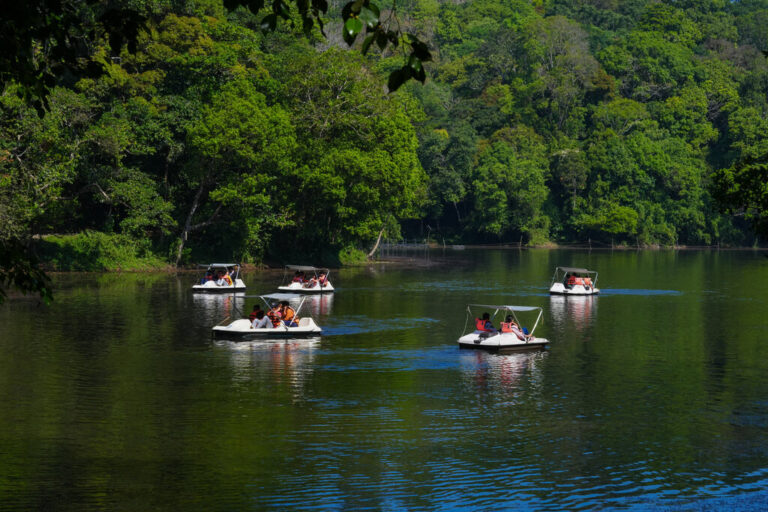
One of Wayanad’s most breathtaking destinations, Banasura Sagar Dam is a stunning blend of natural beauty and adventure. Surrounded by lush flora, fauna, and majestic hills, this dam offers a serene yet exhilarating escape. It’s especially popular among adventure lovers who enjoy boating, trekking, and soaking in the panoramic vistas of the reservoir and the hills.

Visitor Information

  • Best Time to Visit: November to May, when the skies are clear and the views are at their most spectacular.

  • Entry Timing: 9:00 AM to 5:00 PM.

  • Highlights: Boating, trekking, and sweeping panoramic views of the dam and its scenic surroundings.

  • Safety Tips: Follow all safety guidelines while boating, stay hydrated, and wear comfortable shoes for exploring the area.

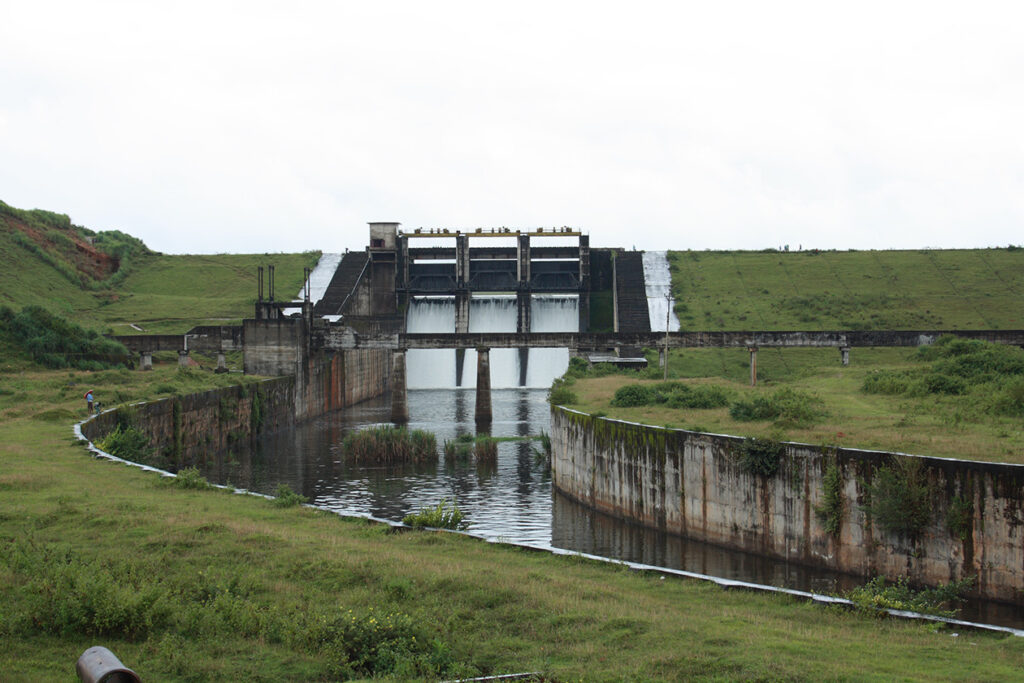
2. Karappuzha Dam : Second Largest Earth Dam in Kerala

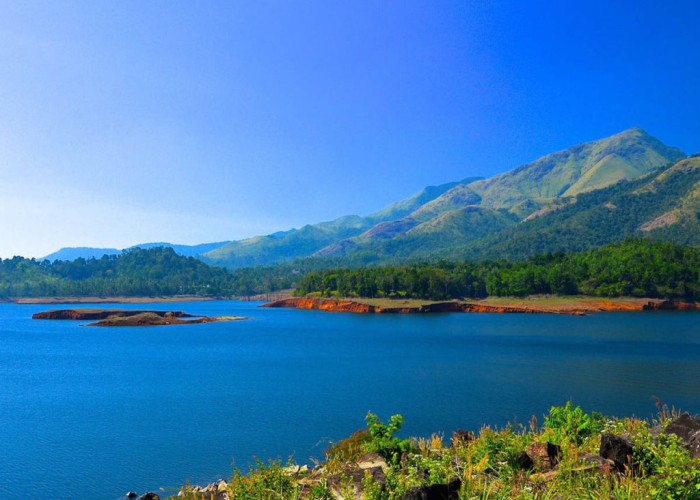
Situated in the lush green landscapes of Wayanad district, Karappuzha Dam ranks as one of India’s largest earth dams. Surrounded by natural beauty, it offers visitors a tranquil retreat amidst serene waters and verdant surroundings—perfect for relaxation and picnics.
 
ChatGPT said:

Visitor Information

  • Best Time to Visit: October to May, when the weather is pleasant and the reservoir is full.

  • Entry Timing: 9:00 AM to 6:00 PM.

  • Highlights: Scenic reservoir views, peaceful ambiance, and a picnic-friendly environment.

  • Safety Tips: Remain within designated visitor areas, especially near the water’s edge, and bring essentials such as water and light snacks.

3. Pookodu Lake

Nestled at an altitude of 770 meters above sea level and just 4 kilometers from Vythiri Hillock Resort, Pookode Lake is a pristine freshwater gem spread over 13 acres, reaching depths of 40 meters. Surrounded by evergreen forests and the majestic Western Ghats, this lake is a favorite destination for photographers and nature lovers alike. Its unique shape resembles the map of India, adorned with blooming blue lotuses and inhabited by diverse freshwater fish.

Visitor Information

  • Best Time to Visit: November to May, when clear skies and pleasant weather make sightseeing ideal.

  • Entry Timing: 9:00 AM to 5:00 PM.

  • Highlights: Scenic boating, tranquil forest surroundings, blooming blue lotuses, and rich aquatic life.

  • Safety Tips: Practice eco-friendly habits, avoid littering, and exercise caution while boating or walking near the lake’s edges.

4. Karalad Lake

Karalad Lake is the third largest freshwater lake in Kerala and the second largest in Wayanad, after Pookode Lake. Located just 3 kilometers from Banasura Sagar Dam, this tranquil lake covers a surface area of 7 acres and sits at an altitude of 700 meters above sea level. Its peaceful setting makes it a perfect spot for relaxation and nature appreciation.

Visitor Information

  • Best Time to Visit: October to March, when the weather is cool and refreshing.

  • Entry Timing: 9:00 AM to 5:00 PM.

  • Highlights: Serene lake views, close proximity to Banasura Sagar Dam, and leisure activity options.

  • Safety Tips: Follow all safety guidelines during water activities, and carry essentials such as water and light snacks.

1. Lakkidi View Point

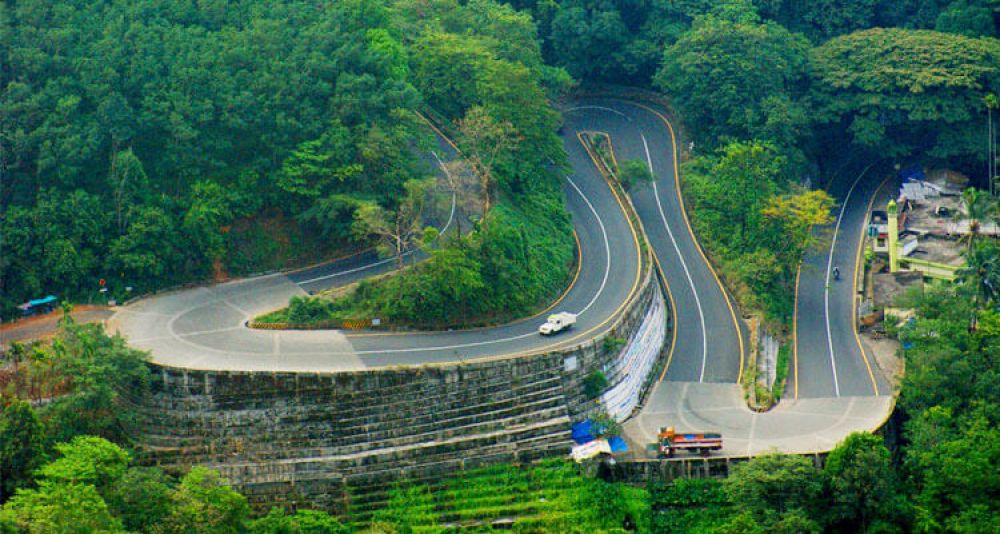
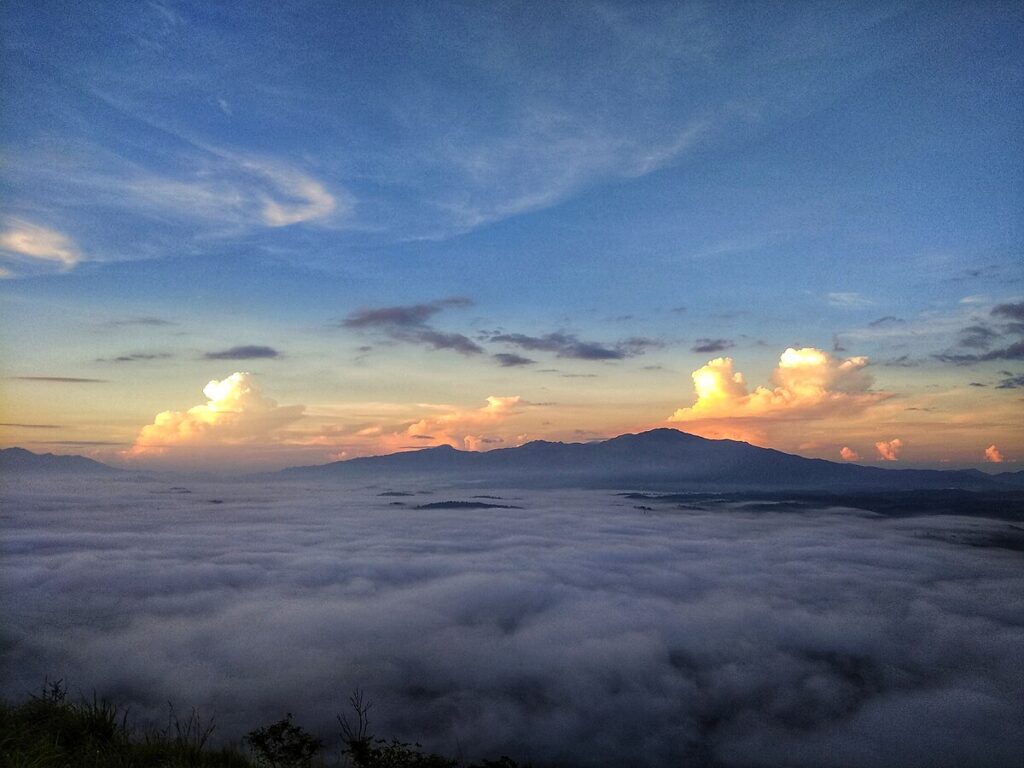
Known as the gateway to Wayanad, Lakkidi View Point is perched atop the Thamarassery Ghat Pass at an altitude of 700 meters above sea level. Famous for its thrilling winding roads with nine sharp hairpin bends, the journey here is an adventure in itself. From this vantage point, visitors are rewarded with breathtaking views of mist-covered hills, lush green valleys, and the serpentine roads below. Lakkidi is also one of the best spots in Wayanad to witness a mesmerizing sunset, making it a favorite among travelers and photographers.

Visitor Information

  • Best Time to Visit: September to February, when the skies are clearer and the views more vivid.

  • Entry Timing: Open all day; sunrise and sunset visits are highly recommended.

  • Highlights: The nine hairpin bends, panoramic valley views, and stunning sunsets.

  • Safety Tips: Roads can be steep and foggy; drive cautiously and avoid late-night visits.

2. Kurumbalakotta

Rising 991 meters above sea level, Kurumbalakotta is a striking monolith hillock and one of Wayanad’s most enchanting viewpoints. Surrounded by mist-covered mountains and verdant valleys, the hill exudes a serene and refreshing ambiance that calms the senses. From its summit, visitors are treated to breathtaking panoramic views of Wayanad’s lush landscapes, making it a beloved destination for nature lovers, photographers, and trekking enthusiasts alike.

Visitor Information

  • Best Time to Visit: October to March, when the weather is cool and visibility is optimal.

  • Entry Timing: Early morning or late afternoon visits are ideal for the most scenic and tranquil views.

  • Highlights: Stunning panoramic views, peaceful natural surroundings, and misty mountain air.

  • Safety Tips: Carry sufficient water, wear sturdy footwear for the climb, and avoid trekking during heavy rains.

3. Myladippara

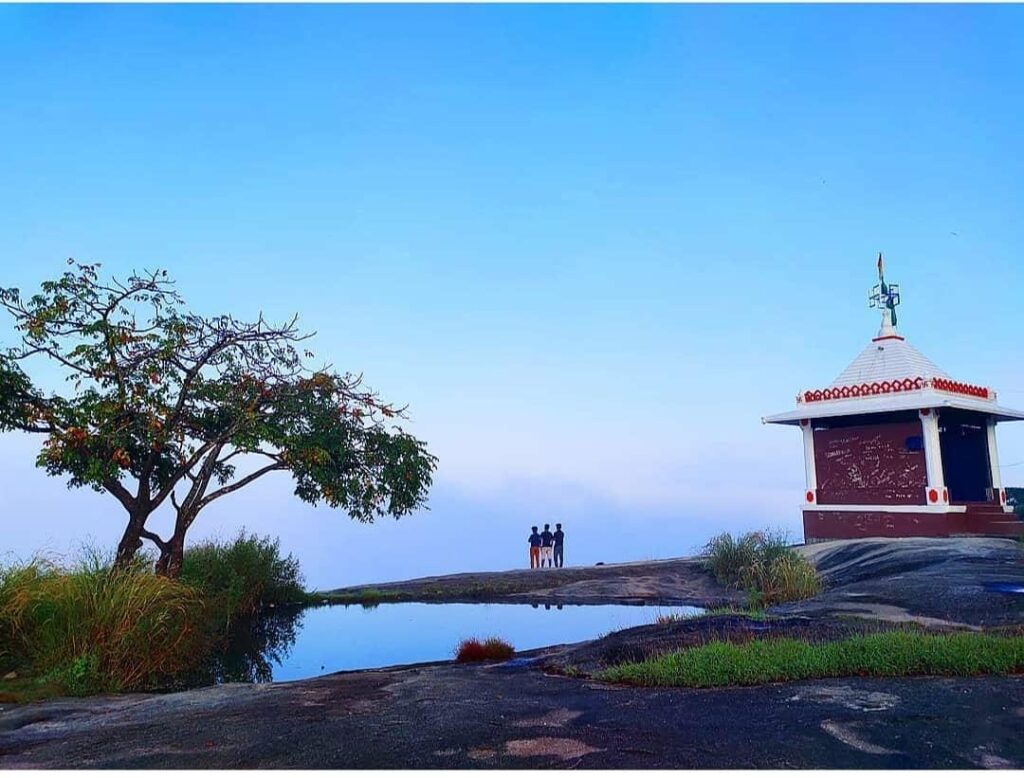
Nestled near Kalpetta along the new NH bypass road, Myladippara is a scenic cliff that offers a refreshing trekking experience. The climb leads you to the hilltop where an ancient Jain Temple stands, adding a touch of cultural heritage to your adventure. From the summit, visitors enjoy stunning 360-degree panoramic views of Kalpetta and the surrounding landscapes making it an ideal destination for both thrill-seekers and those seeking tranquility.

Visitor Information

  • Best Time to Visit: October to March, when the weather is pleasant for trekking and sightseeing.

  • Entry Timing: Daytime visits are recommended; mornings and evenings offer the most captivating views.

  • Highlights: Trekking trail, ancient Jain Temple, and panoramic 360° vistas of Kalpetta.

  • Safety Tips: Wear comfortable trekking shoes, carry ample water, and exercise caution near cliff edges.

4. Kaduvakuzhi

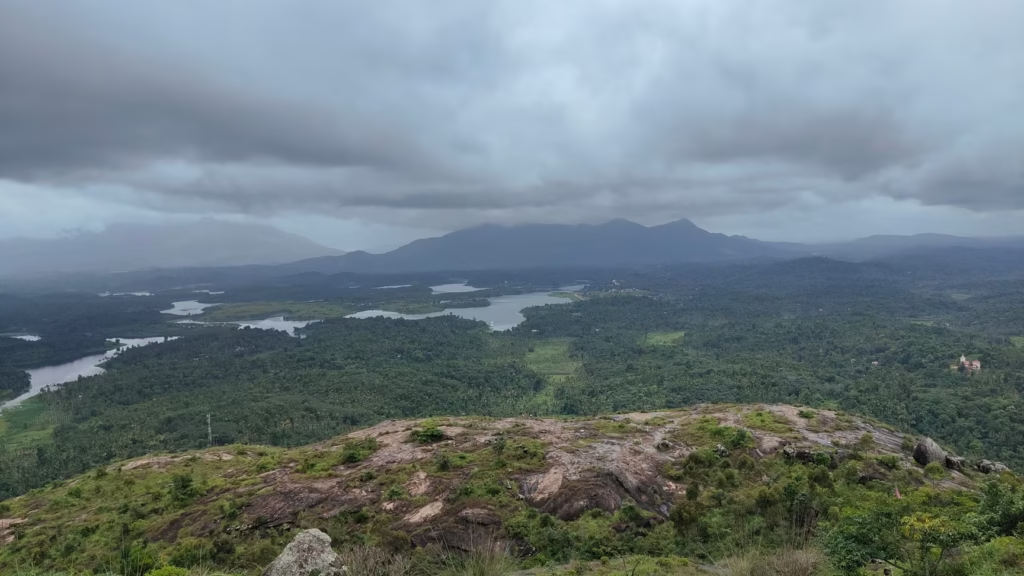
Derived from the words “Kaduva” meaning tiger and “Kuzhi” meaning cave, Kaduvakuzhi hints at its historic role as a tiger habitat. Today, it serves as a tranquil viewpoint where visitors can immerse themselves in nature’s beauty. From the summit, enjoy sweeping panoramic views of the Karapuzha Dam nestled amid lush greenery making it a perfect spot for sightseeing and photography.

Visitor Information

  • Best Time to Visit: October to March, when the skies are clear and the views are most captivating.

  • Entry Timing: Open during daylight hours; mornings and evenings provide the best viewing conditions.

  • Highlights: Panoramic views of Karapuzha Dam, a natural cave-like setting, and peaceful surroundings.

  • Safety Tips: Exercise caution on uneven terrain, wear sturdy footwear, and avoid late evening visits.

5. Nellarachal

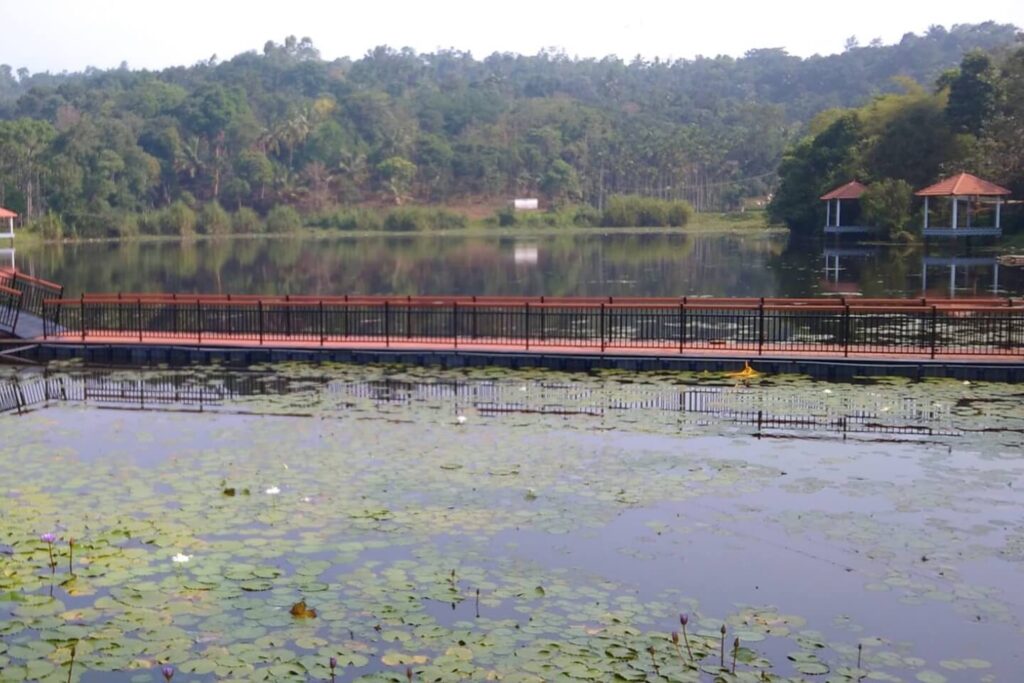
Located on the far side of Karapuzha Dam, Nellarachal is a serene retreat famed for its seasonal bloom of vibrant water lilies. The calm waters, framed by lush greenery, create a picturesque and soothing atmosphere that captivates every visitor. As evening falls, the spot transforms into a magical vantage point, where breathtaking sunsets paint the sky in golden and crimson hues behind the mountains. It’s an ideal destination for those seeking tranquility, natural beauty, and unforgettable moments.

Visitor Information

  • Best Time to Visit: November to May, when water lilies are in full bloom.

  • Entry Timing: Open throughout the day; evenings are perfect for sunset viewing.

  • Highlights: Seasonal water lily blooms, tranquil lakeside setting, and spectacular mountain sunsets.

  • Safety Tips: Bring a camera to capture the stunning scenery, wear comfortable shoes, and stay cautious near the water’s edge.

EN /

© Copyright Bythelake Resort

Close